
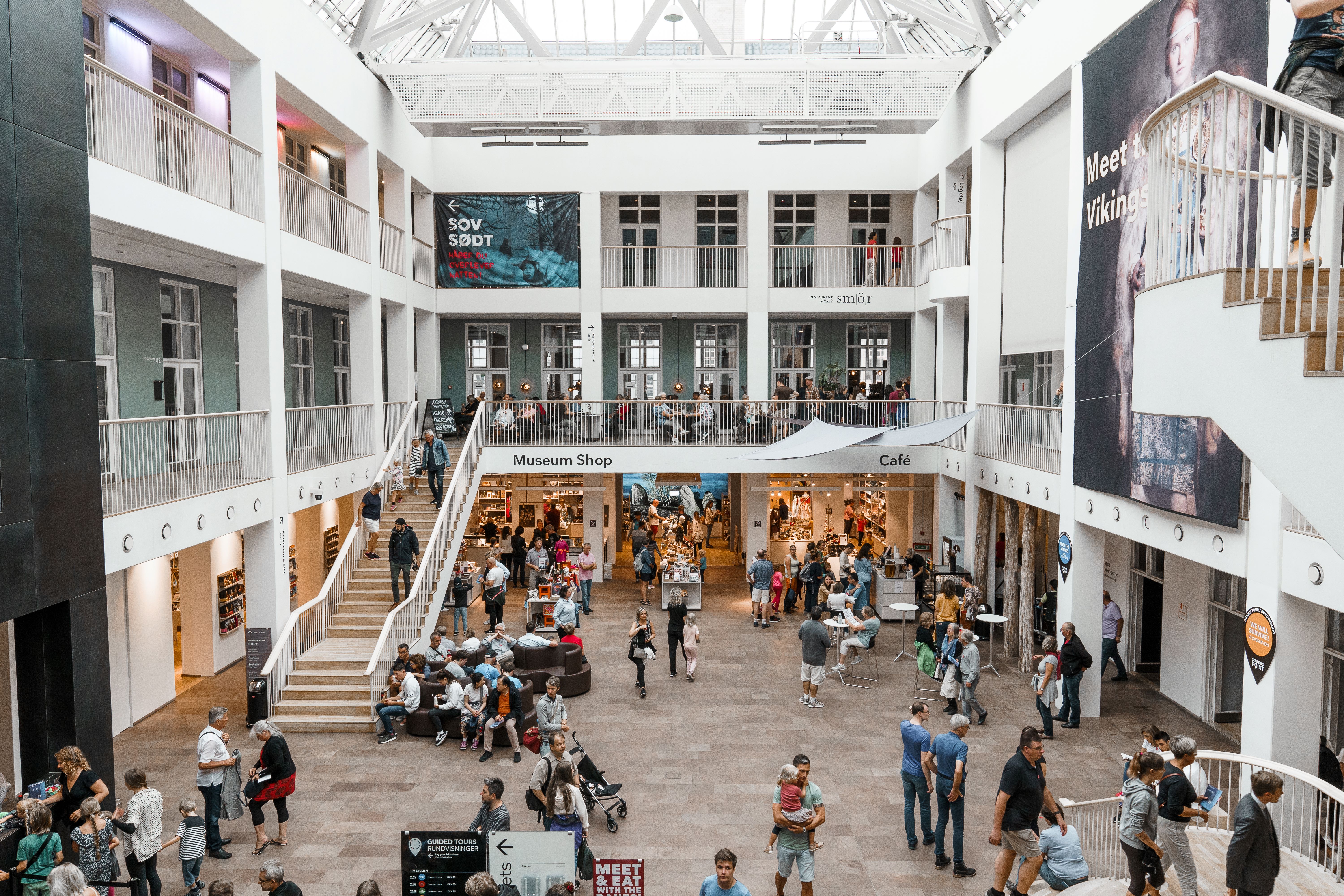
Culture, experiences and a love of DenmarkIn the heart of Copenhagen, The National Museum of Denmark brings history to life.Here, you can explore everything from the Viking Age and the Middle Ages to everyday life in Denmark and feel how history continues to shape who we are today.
Step into Denmark’s greatest treasure trove of storiesIn the exhibition Prehistoric Denmark, you can experience iconic finds such as the Sun Chariot, the Egtved Girl and the Gundestrup Cauldron.You can also meet the mysterious Huldremose Woman, whose life and death still inspire wonder. Among Viking weapons, silver treasures and amulets, offering a glimpse into a time when Denmark ruled the seas – with trade, faith and adventure in its veins.
Modern exhibitions that engageIn the museum’s latest exhibitions, The Viking Sorceress, you’ll gain a rare insight into Viking beliefs, fate and worldviews, told through the eyes of the völva – a seeress and cultural icon of the Viking Age.And in KA-CHING!, we ask how money has shaped our societies and our lives over thousands of years. You can even join the game yourself – with a chance to win a million and a dip in the money bath.A place to explore and playIn the National Museum there is both time and place for reflection in the grand halls of the 18th-century Prince’s Palace, where stucco, chandeliers and wood panels whisper stories of elegance and power.For families, The Children’s Museum is a highlight. You can sail a Viking ship, cook in a medieval kitchen or try school life in the 1950s – and yes, you can touch, play and laugh as much as you like.
See the highlights – or take your time to exploreYou can discover the museum at your own pace with the free audio guide. If you’re visiting as a group, you can also book one of the interesting private tours.
Taste history – or take it home with youIn the museum restaurant, you can enjoy classic Danish dishes, coffee and cake.In the museum shop you’ll find historic gifts and delicacies – from beer brewed on ancient recipes to unique design items for all ages.
A house full of storiesThe National Museum holds far more than Denmark’s own history.Enjoy the world’s largest collection of artefacts from Greenland – from sealskin clothing and kayaks to amulets telling stories of Arctic life.In the ethnographic collection, you can explore cultures from across the globe and glimpse how people through time have lived, created and interpreted the world in their own way.
A visit to the National Museum is an experience for all your senses.
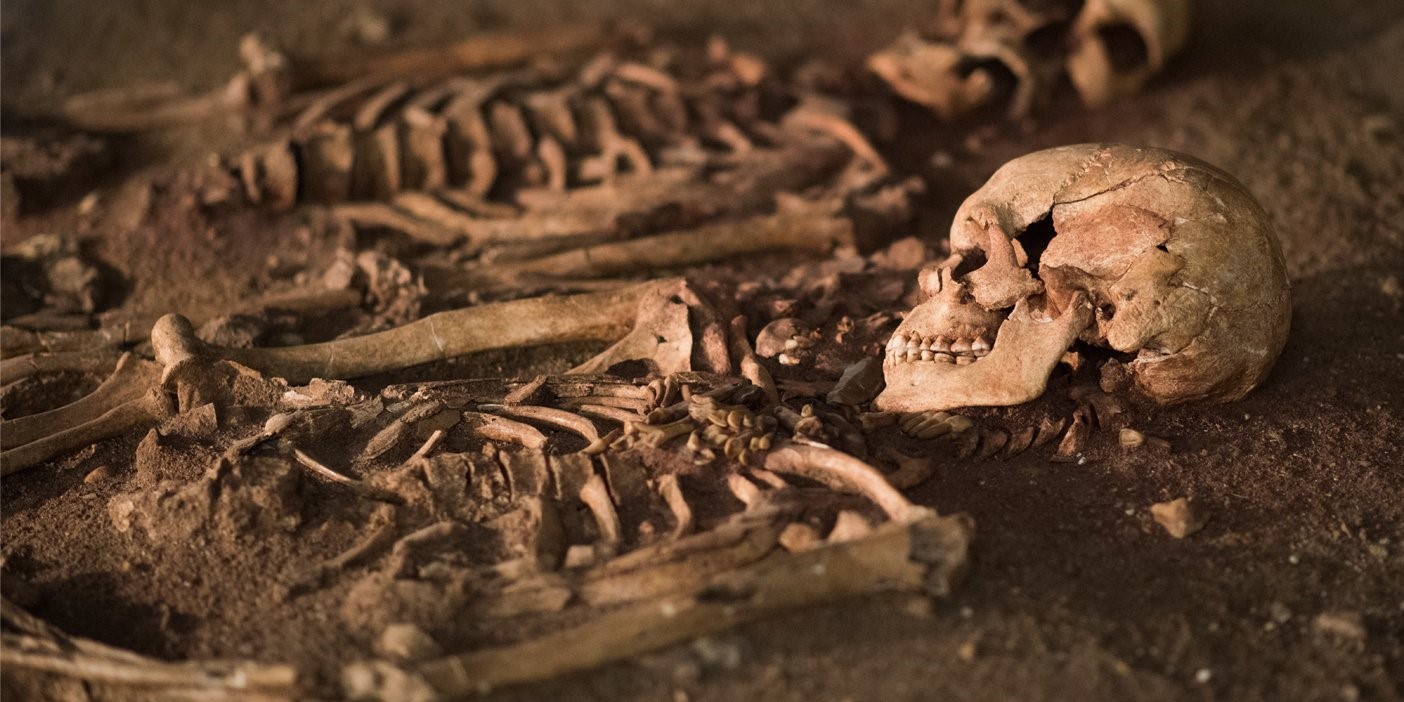
Photo: Vedbækfundene
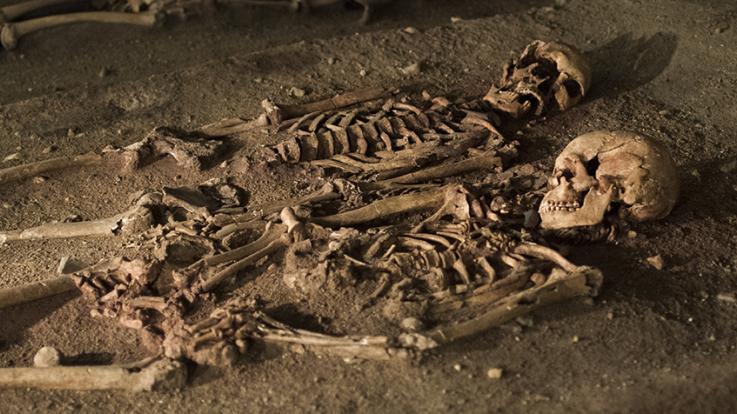
Photo: Vedbækfundene
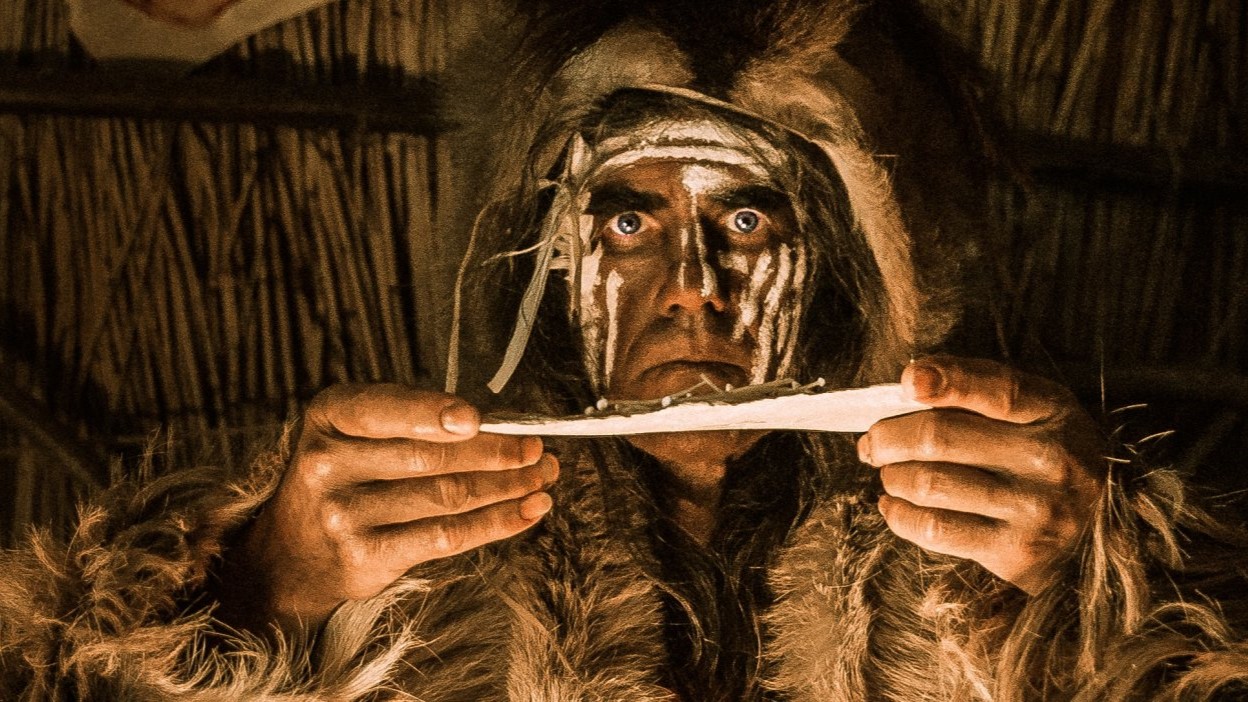
Photo: Vedbækfundene
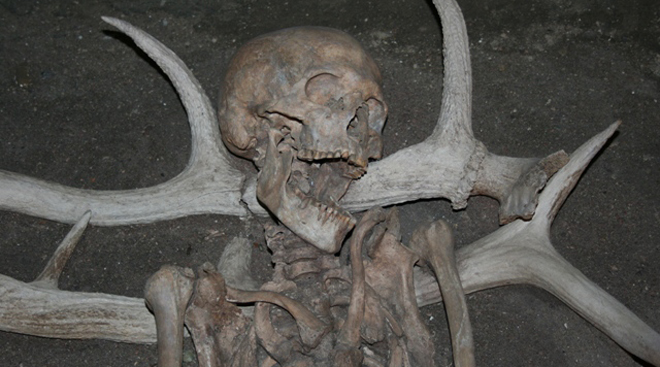
Photo: Vedbækfundene
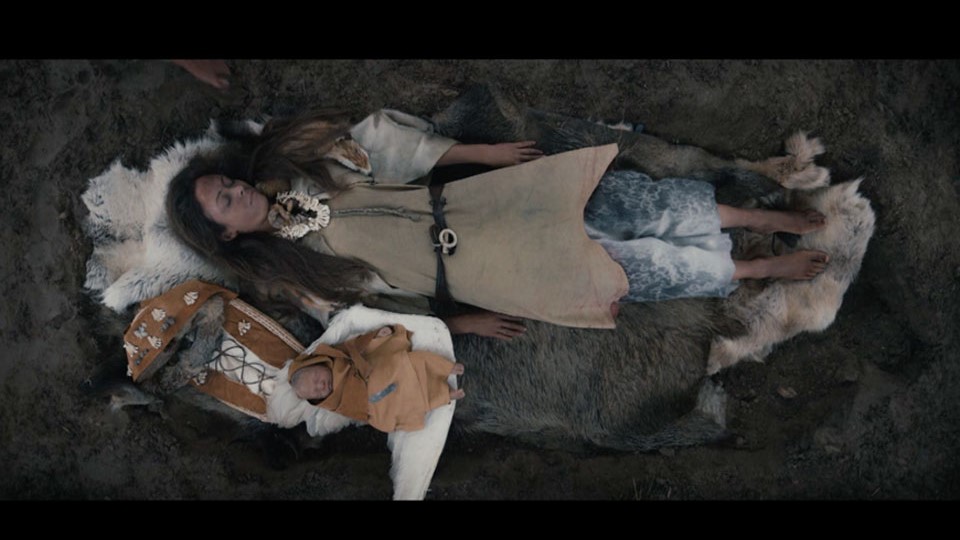
Photo: Vedbækfundene
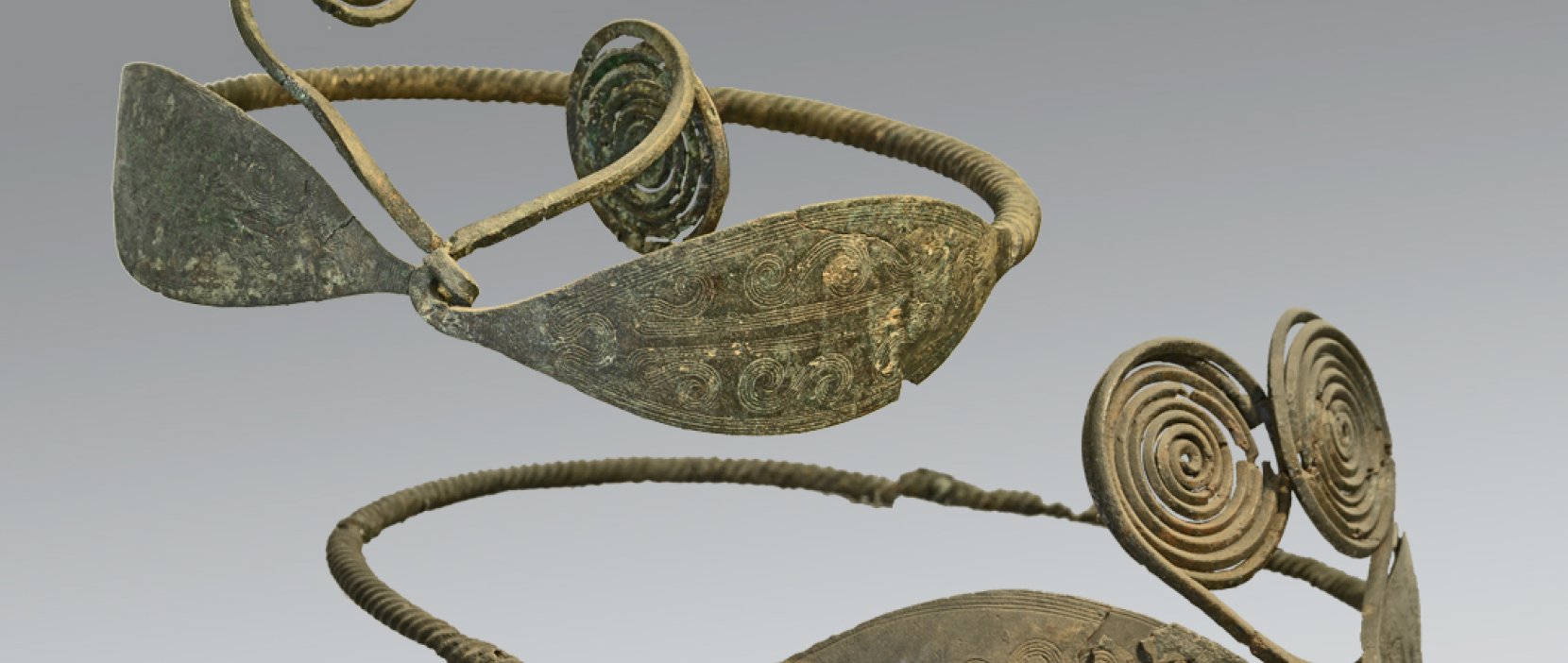
Photo: Vedbækfundene
The Vedbæk Finds Museum
The Pop-up Museum Vedbækfundene tells the story of the Vedbæk Finds, some of the most unique discoveries from the Mesolithic period in Europe. In the pop-up museum, we test new programmes, activities, and forms of community engagement.
Related Attractions
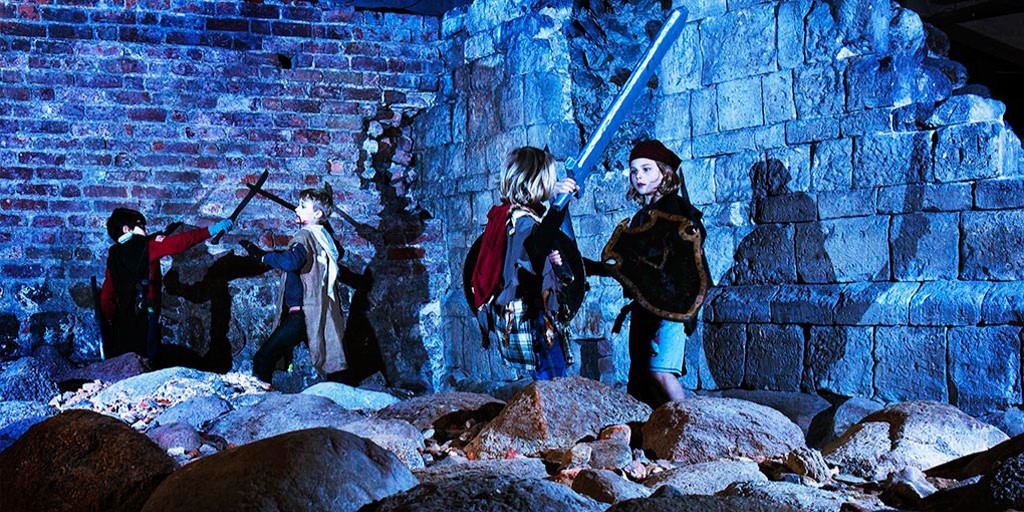
When the present Christiansborg Palace in Copenhagen was constructed, the National Museum took care to excavate and protect the ruins of the Palace's oldest predecessors, Bishop Absalon's Castle of 1167 and Copenhagen Castle that replaced it. Christiansborg stands out as it houses both Denmark's current political center and the remnants of the country's main medieval castle, all under one roof.
Revealed by accident When casting the foundations of the present Christiansborg Palace, workers struck upon the ruins of older buildings and the remnants of a curtain wall. Experts were called in from the National Museum, and a close inspection revealed that the ruins dated back as far as 1167.What they had come upon was Bishop Absalon's Castle, once situated on a tiny island off the what is now known as Copenhagen. Walking around this underground site, you will get an idea of how the castle was continually renewed and developed.
The later castle and the infamous Blue Tower The Copenhagen Castle, built on the same site, was surrounded by a moat and had a large tower as an entrance gate. The castle was rebuilt several times. King Christian IV added a spire to the tower, the infamous Blue Tower, where only prominent prisoners of state were kept.In the 1720s, King Frederik IV entirely rebuilt the castle, but as a result of this total reconstruction, the walls had become so heavy they started to give way and to crack. King Christian VI, Frederik IV's successor, soon realised the necessity of demolishing the old castle and erecting a new one on the site. This new castle was to be the first Christiansborg Palace.
How to become a copenhagener
Copenhagen is one of the world’s most livable cities. But who are the locals and what kind of city is Copenhagen? Begin your visit in Copenhagen at the Museum of Copenhagen, located in a beautiful, historical building right behind City Hall. You’ll be introduced to all the most important places and events in the history of the Danish capital. From the city of the Viking Age, through the building boom and plague, fires and bombings, to the free city of Christiania today. A vast array of unique, original exhibits bring the city and its people to life. Our interactive model gives you an overview of the entire city – perhaps you will end up as a Copenhagener yourself!
Three highlights
See the 600-year-old keel of a shipwreck
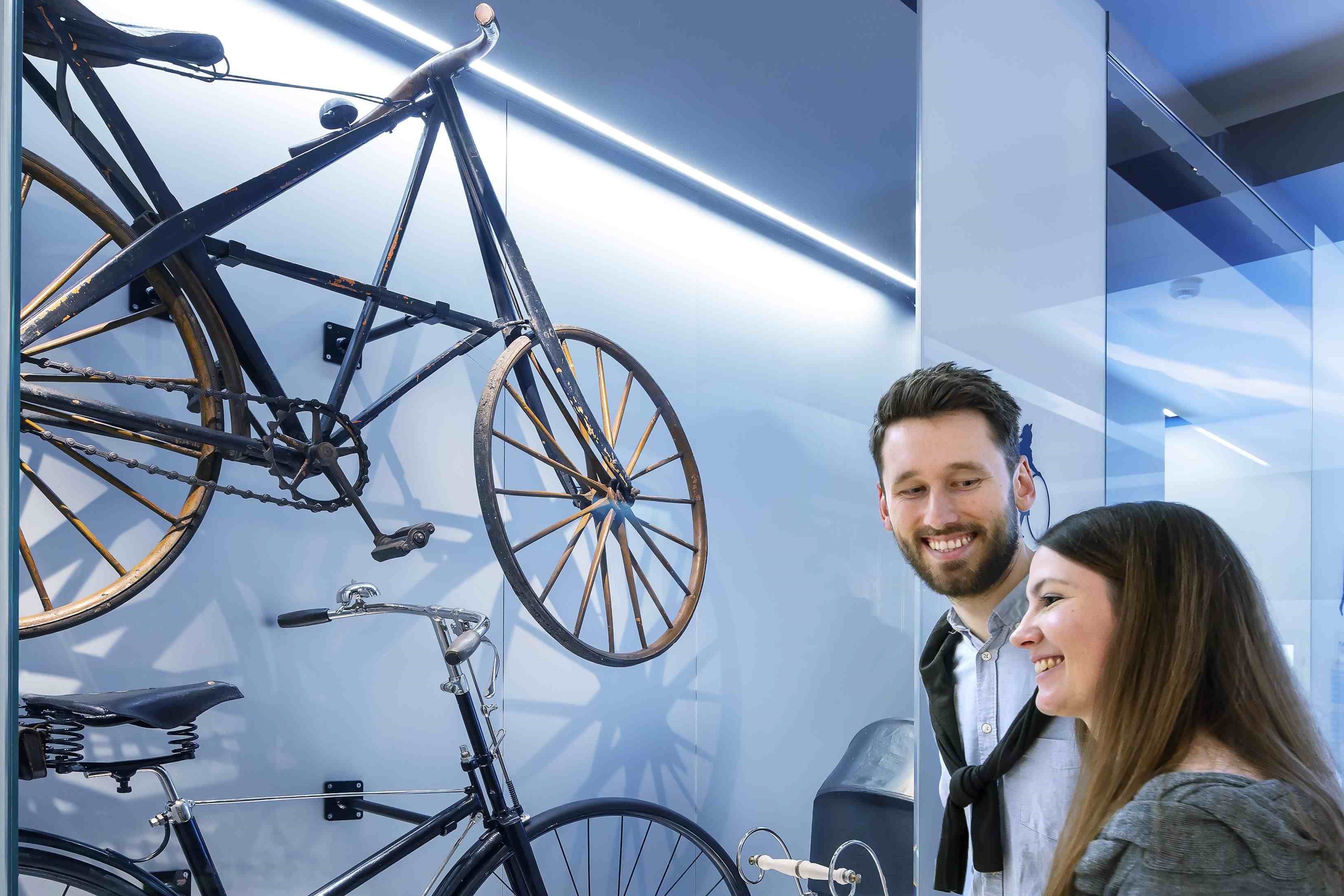
Discover an early version of today’s Copenhageners’ favourite means of transportation – a wooden bicycle!
Get an overview of the city on the Copenhagen Panorama with our large scale, interactive model.
In a hurry? See the highlights of the museum in just 30 minutes.
Café & shop Find an original gift in our museum shop, which offers everything from postcards to handcrafted design or relax in the café or in the ‘hyggelige’ courtyard.
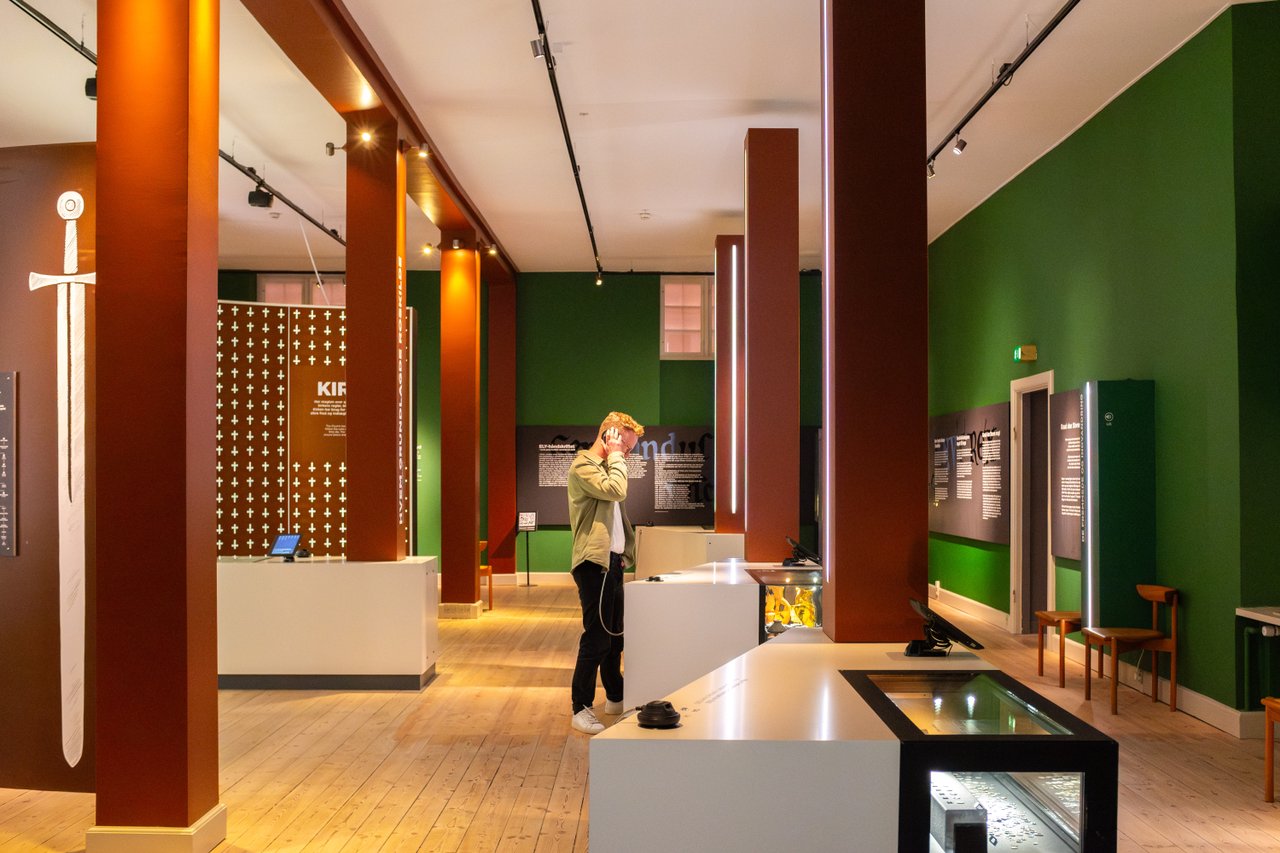
Experience the history of Roskilde, once one of the most powerful cities in northern Europe and a religious epicentre in the medieval ages. Follow the traces of the past and meet the people who once lived here. It is the story of an unusual city that has put its clear marks on Denmark as we know it today.
At Roskilde Museum in the heart of one of Denmark’s most historical and culturally rich cities you can get a closer look on the pre-Christian times in Denmark, you can get to know the mysterious double Viking grave from Gerdrup, the story of the rise of a powerful catholic church in the Middle ages – and you can grasp the modern Roskilde.
Join us on a journey, which takes its start before the foundation of the city in approximately 980 before Christ, experience the unique Ely book where ‘Roskilde’ was mentioned for the first time in history a 1000 years ago, and go through our special exhibition about trash and recycling in the contemporary city.
AMAZING ARCHAEOLOGICAL FINDINGS
The exhibitions in Roskilde Museum contain many amazing objects found in excavations in and around the city of Roskilde. Ranging from the full skeleton of a prehistoric auroch and the mysterious tomb of Gerdrup to medieval silvercoins, chesspieces and weapons, and so much more!
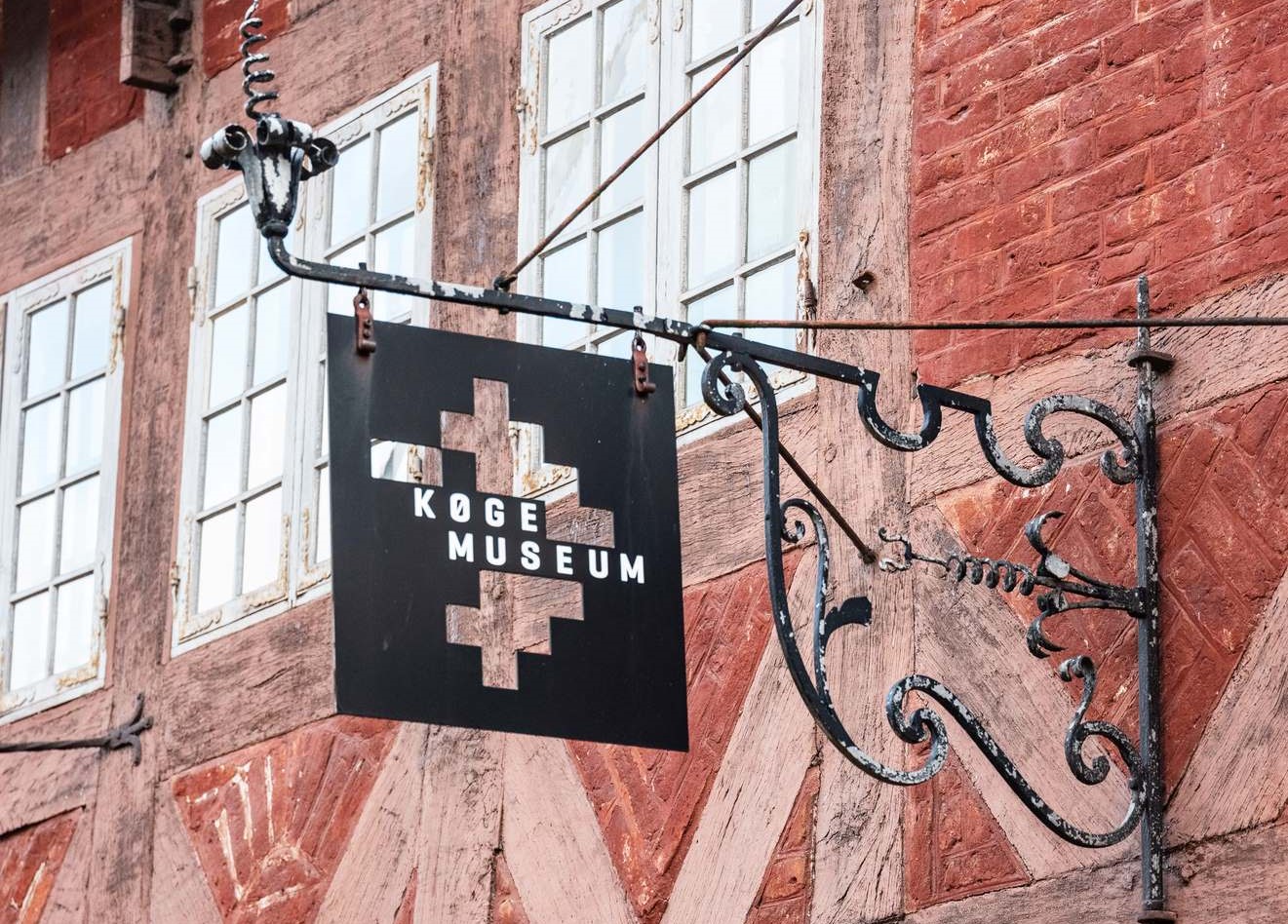
Take a trip to Køge Museum and enjoy an experience you'll never forget.
Køge Museum is located centrally in the town of Køge - just a few minutes' walk from Køge Station and Køge Torv - in the old merchant's house from 1619. In the museum's exhibitions, you can look forward to a journey through Køge's history. You can look forward to a journey through Køge's history, from the mighty Viking Age to the hunter-gatherer people of the Stone Age.
It will be macabre, bloody, and morbid in the museum's new exhibition 'The Grave of the Seeress.' Also experience the museum's two permanent exhibitions 'Seeresses, Gold and Gods' and 'Gifts from the Past'.
Although Køge Museum is housed in a listed building dating to the 1600s, the museum’s Viking archaeologist bids you welcome in a Viking Age home. Here you’ll see rare artefacts such as five pillars from a house that only survived because they were reused in a bridge over nearby Tryggevælde River. Objects from excavations of a chieftain’s estate at the Toftegård settlement, located about 10 km south of Køge at Stevns, are exhibited in a posthole arrangement – the excavation of postholes is one of our main sources of knowledge about life in ancient times.
You’ll see mysterious gold figurines, which either had a religious or symbolic meaning—now unclear to us—or were simply gifts for visitors. You will also see an arrowhead, perhaps deliberately left in a posthole when the house was built as an amulet to protect the house and its occupants against harm. Dirt and rubbish swept up over hundreds of years contains small pieces of glass, beads, pottery and chewed bones from a hearty meal – much the same as we might find today when cleaning up. Overall, the finds give a fascinating insight into how people lived in the Viking Age.
When you're done, you can take a break in the museum's cozy courtyard - shielded from the noise of the city. Here, you can enjoy a cup of well-brewed coffee from the museum cafe while the kids play on the ship-themed playground.
Opening Hours
09.03.2026 - 23.12.2026:Monday: closed
Tuesday: 12:00 - 16:00
Wednesday: 12:00 - 16:00
Thursday: 12:00 - 16:00
Friday: 12:00 - 16:00
Saturday: 12:00 - 17:00
Sunday: 12:00 - 17:00
Location
Henriksholms Allé 4
2950 Vedbæk
https://vedbaekfundene.rudersdal.dk/pop-museum-vedbaekfundene-0
Wheelchair Accessible